Qiju Opera
Introduction
Qiju Opera, a traditional Chinese opera form boasting a history of over 500 years, has its roots in Qiyang county, Hunan province. This operatic style is one of the many distinct folk operas that flourish in the culturally rich region of Hunan.
Known for its unique blend of performance techniques, music, and storytelling, Qiju Opera holds a significant place in China's vast tapestry of traditional performing arts. As an art form that has withstood the test of time, Qiju Opera continues to captivate audiences with its vibrant theatrical expressions and has been recognized as a part of China's national intangible cultural heritage since 2008. It is celebrated for its historical depth and its ability to convey complex emotions and narratives through a combination of powerful vocal performances, intricate costumes and evocative stagecraft.
Characteristics
Qiju Opera is characterized by its rich musical and performance traditions that distinguish it from other opera styles. Its signature elements are rooted in the local culture and artistic expressions of Hunan province.
Musical Style
The musical style of Qiju Opera is a vibrant blend of traditional Chinese musical instruments and vocal techniques. The music often includes the use of stringed instruments like the pipa and erhu, accompanied by percussive elements that set the rhythm and mood of the performance. The vocal delivery in Qiju Opera is marked by its emotive power and clarity, allowing performers to convey intricate emotions and narratives. The melodies are often drawn from local folk music traditions, providing a familiar yet unique auditory experience that resonates deeply with audiences.
Performance Techniques
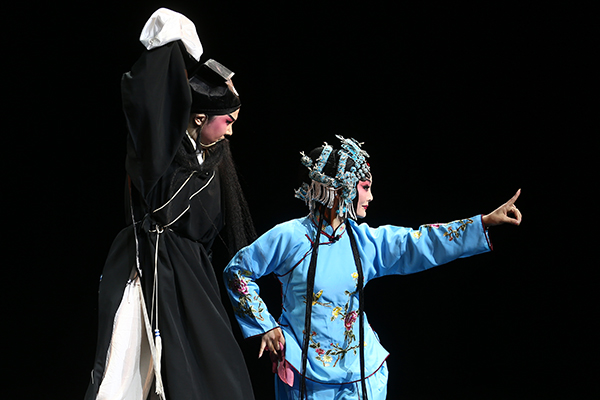
Performance techniques in Qiju Opera are diverse and elaborate, combining singing, dancing, acting and martial arts. The actors are trained to express complex emotions through precise gestures, facial expressions and body movements. The use of elaborate costumes and face paint is integral to the performance, adding visual flair and enhancing character portrayal. The staging of Qiju Opera often incorporates elements of traditional Chinese theater, such as minimalistic sets and symbolic props, which are used to create imaginative and evocative storytelling landscapes.
Influence and Legacy
The influence and legacy of Qiju Opera extend beyond its regional origins, contributing to the broader landscape of Chinese traditional performing arts. As a cultural heritage form, it continues to inspire new generations of artists and audiences, promoting a deeper appreciation for China's rich cultural history. The opera's ability to adapt and integrate contemporary elements while preserving its traditional roots has enabled it to remain relevant and engaging in modern times.
Preservation Efforts
Preservation efforts for Qiju Opera have been critical in ensuring its survival amidst changing cultural landscapes. Initiatives such as its designation as a national intangible cultural heritage form have provided essential support and resources for its continuation. Local governments and cultural organizations have played significant roles in these efforts, establishing teaching bases and integration into educational curricula to nurture new talent and foster public interest. Continued efforts to showcase Qiju Opera through performances, workshops, and educational programs are vital in safeguarding this treasured art form for future generations.








